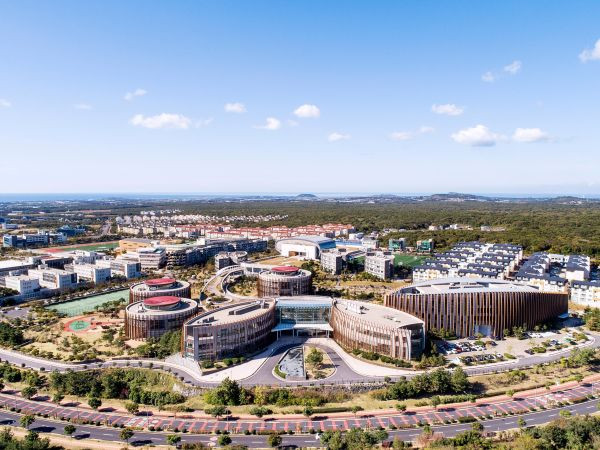
South Korea's regional education offices can fine unlicensed international schools that ignore closure orders from 20 November 2026, and the Ministry of Education says it has finished inspecting about 200 unlicensed or unregistered facilities. It will file police complaints and requests for investigation this month, one facility at a time, against those that have not corrected their violations.
The ministry inspected the facilities from December 2025 to March 2026, then sent each one two notices of violations and offered advice to those willing to register. Each closure order needs a hearing first, so the schools will not all shut at once. Some are expected to pay the fines and keep teaching.
The fines
Under an enforcement decree amended in May, an education office can charge the fine up to twice a year, counting from the first closure order, until the facility complies:
- 120,000 won a day for the first 180 days of non-compliance
- 160,000 won a day after that
That comes to a little over 20 million won for the first 180 days and close to 30 million won for each six months after. Typical tuition at these schools is 20 to 30 million won a year.
Ma So-jeong, head of the ministry's school policy division, said the fines are held down because the criminal penalty for running an unauthorised school is at most three years in prison or a 30 million won fine. The ministry will review that limit after criticism that the fines have little force, she said.
Who is affected
Industry estimates put the number of unlicensed international schools at 120 to 130. Most are registered as hagwons, or private academies, and their pupils get no Korean school credit. Seven international schools have legal standing: Calvin Manitoba International School, Chadwick International in Songdo, Daegu International School, NLCS Jeju, Branksome Hall Asia, Korea International School and St Johnsbury Academy Jeju.
Registering as a hagwon does not let a facility keep running as a school, with year groups, attendance, records and graduation. The alternative education law excludes facilities aimed mainly at foreign university entry or taught mainly in a foreign language. A hagwon that teaches only in the afternoons will still be judged on everything it does, officials said.
"These facilities are not educational institutions under the law, so it is hard to give students relief when harm occurs," a ministry official said.
Pupils whose schools close can move to state schools, placed by age and an assessment of their level. Families at unregistered facilities would have to sue to recover fees. In 2024 an unlicensed school in Songdo, Incheon, closed without notice after charging 20 to 30 million won a year, and families lost both places and money.
The fines were set out in an amended decree earlier this year, and one Songdo facility has kept teaching past an eviction deadline.
Sources: 2 pages
- [팩트체크] 국내 미인가 국제학교 모두 문 닫나…폐쇄설 확인해보니, Yonhap News Agency
- Trường quốc tế thu học phí hàng trăm triệu đồng nhưng hoạt động không phép, VietNamNet
More in Policy
More- 7.15am
South Korea's bullying law still leaves out its seven international schools as bill stalls
A parliamentary subcommittee took no vote on the fix on 17 November, two years after a Jeju court threw out a bullied pupil's case.
South Korea
South Korea · 7.15am
- 28 November
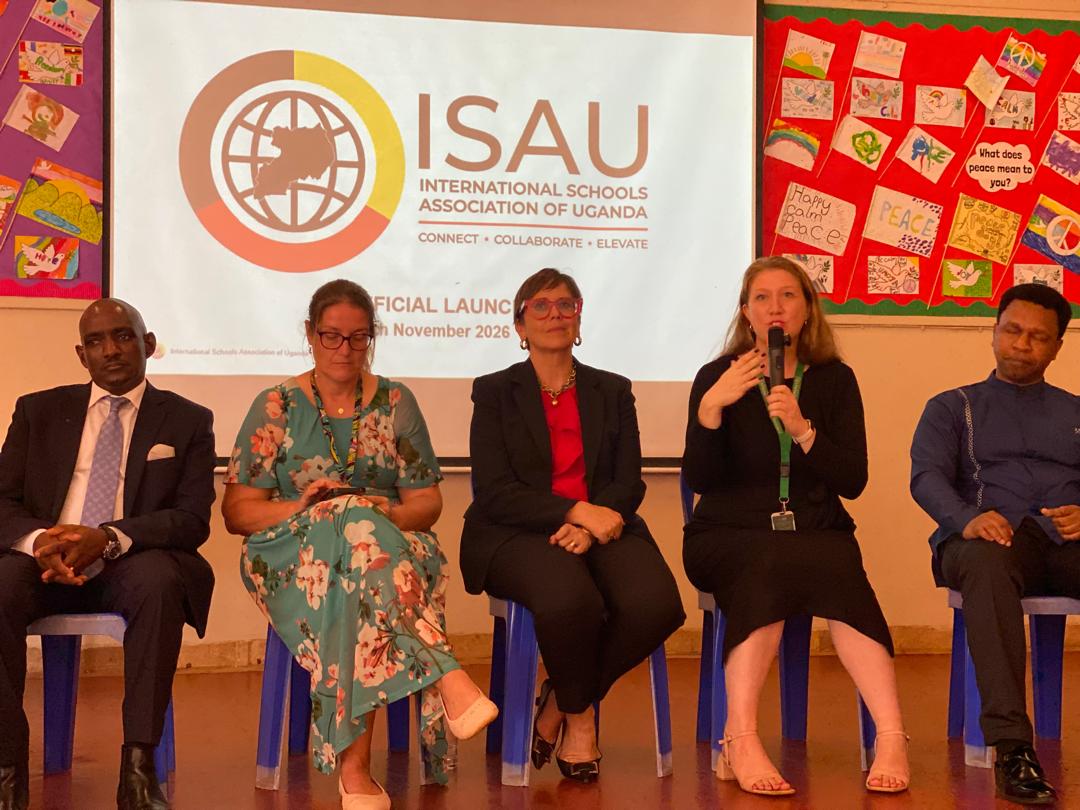
Uganda drafts specific rules for international schools as rising fees push some pupils out
The education ministry announced the review at the launch of a new association for the country's international schools, whose owners warn against fee controls.
Uganda
Uganda · 28 November
- 25 November
Saudi Arabia sets rules for private and foreign firms to run state schools
Partners may manage, build and finance government schools from 20 January 2027 but cannot charge families for funded teaching.
Saudi Arabia
Saudi Arabia · 25 November
- 18 November
Abu Dhabi to train up to 250 Emiratis a year for inclusion roles in private schools
ADEK and PureHealth will run a six-month course placing Emiratis as inclusion assistants and moving others up to inclusion teacher posts.
Abu Dhabi
Abu Dhabi · 18 November