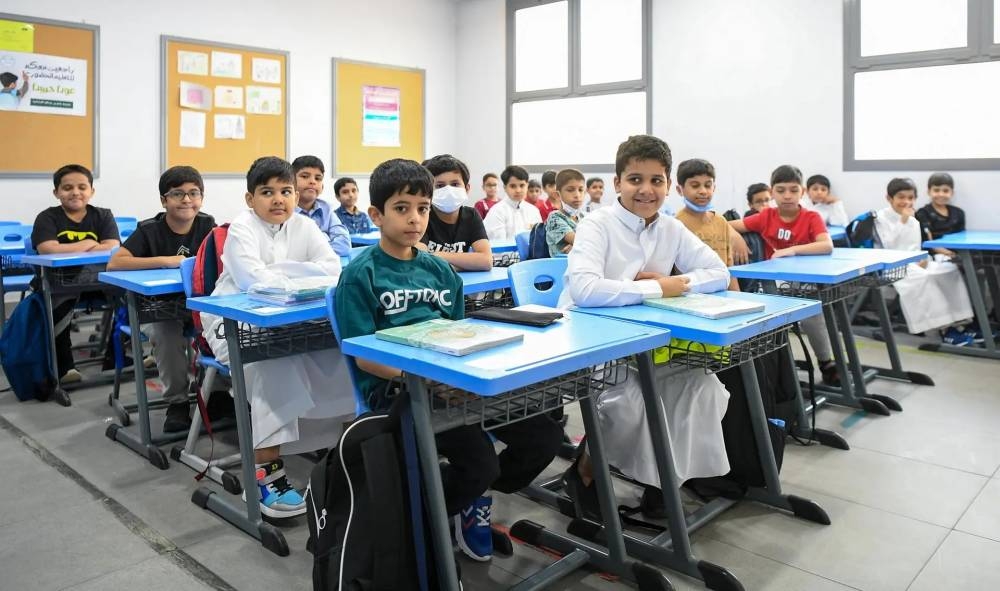
Saudi Arabia has published rules that let private companies, foreign investors and non-profits run, build and finance government schools once the General Education Law takes effect on 20 January 2027. The General Education Affairs Council approved the rules on 5 November 2026 and they appeared in the Official Gazette last week, in 21 articles across five chapters.
The Ministry of Education can hand a partner:
- the management or operation of a government school, in whole or in part
- particular teaching tasks or services
- support services that are not teaching
- building, developing or maintaining schools, paid for wholly or partly by the partner
- the use of school buildings and spare space outside school hours and in the holidays
The ministry keeps the power to set policy, judge performance and step in. A partner running a government school must teach the national curriculum, employ licensed teachers, follow student protection and data rules, and let the ministry inspect and test its pupils.
Partners cannot charge families for any teaching the ministry pays for. They may sell optional extras, as long as the basic service does not depend on them. Every partnership that touches pupils needs a plan to keep the school running if the partner fails, and the ministry can demand a corrective plan, stop expansion or appoint another operator. Government teachers can work in an outsourced school only with their written consent, and stay on the ministry's payroll.
Teachers and parents who spoke to Al Watan said the rules shut out hidden fees charged as "extra services" or "development". They asked for partnership documents and performance figures to be published in plain form, a price cap on extras and one channel for complaints.
Operators lining up
The new law also sets out how foreign private schools get licences and build in the kingdom, and tells the ministry to encourage private and foreign investment. About 17 per cent of Saudi pupils attend private schools, and the ministry wants 30 per cent by the end of the decade.
Almasar Alshamil Education, a Saudi-listed subsidiary of the Emirati group Amanat, is in talks with two British independent schools about opening branches in Saudi Arabia, its chief executive, Majed Al Mutairi, told AGBI. He did not name them. In June Almasar announced plans to buy 60 per cent of Al Qalam Educational Trading Company, which runs private schools in Riyadh.
"As Saudi opens up, more expats are coming to Saudi Arabia," Al Mutairi said. "Therefore the demand for branded schools is growing."
He said the new staffing and training rules need heavy investment and favour large groups. "Small operators don't have the capacity to meet all of those new regulations," he said.
The push comes in a difficult year: missile attacks have sent Riyadh schools back online more than once. Elsewhere in the Gulf, Repton plans a school in Bahrain for August 2027.
Sources: 3 pages
More in Policy
More- 7.15am
South Korea's bullying law still leaves out its seven international schools as bill stalls
A parliamentary subcommittee took no vote on the fix on 17 November, two years after a Jeju court threw out a bullied pupil's case.
South Korea
South Korea · 7.15am
- 28 November
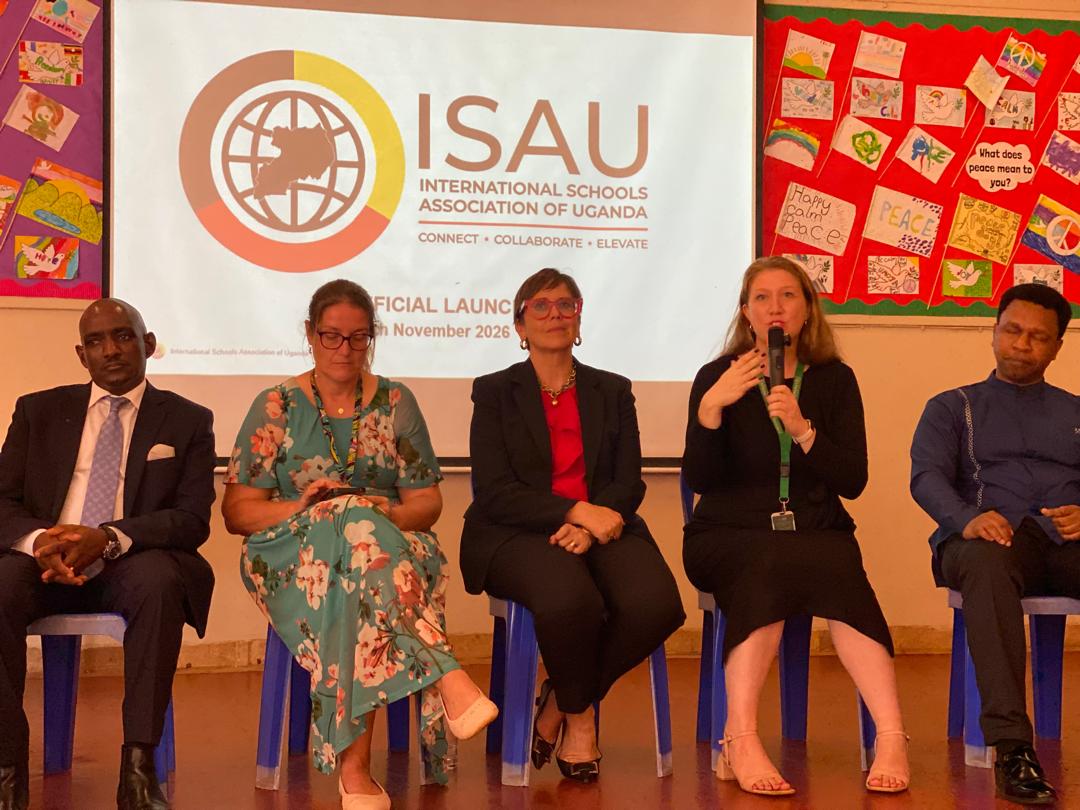
Uganda drafts specific rules for international schools as rising fees push some pupils out
The education ministry announced the review at the launch of a new association for the country's international schools, whose owners warn against fee controls.
Uganda
Uganda · 28 November
- 25 November
South Korea starts fining unlicensed international schools as inspections of 200 sites end
Education offices can now charge schools that defy closure orders up to 160,000 won a day, and police complaints begin this month.
South Korea
South Korea · 25 November
- 18 November
Abu Dhabi to train up to 250 Emiratis a year for inclusion roles in private schools
ADEK and PureHealth will run a six-month course placing Emiratis as inclusion assistants and moving others up to inclusion teacher posts.
Abu Dhabi
Abu Dhabi · 18 November