What is the Council of International Schools (CIS)?
What CIS accreditation means, the process, and difference between membership and accreditation
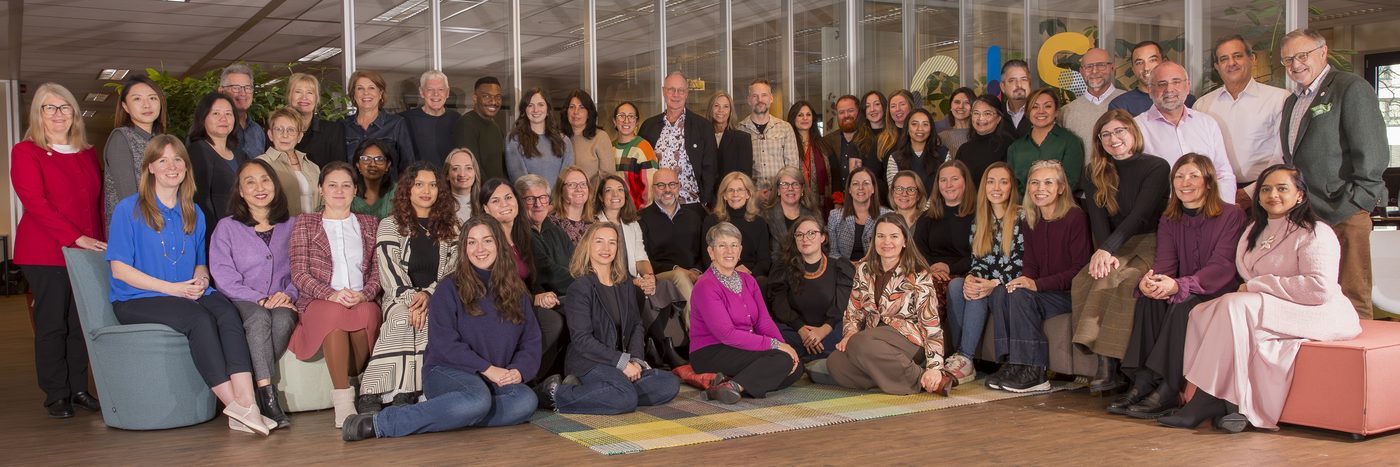

CIS is a not-for-profit that provides accreditation for international schools. Based in the Netherlands, it has more than 1,600 member schools and universities in about 120 countries.
A CIS accredited school has been evaluated against CIS standards by a team of educators from other schools. Schools go through the process again every five years.
Accreditation is peer review. The evaluators are teachers and leaders from other member schools, and the schools CIS accredits are its paying members.
It checks how a school works: how it is led, how it teaches, how it keeps children safe and how it plans to improve. The outcome is a pass, without a grade. CIS doesn't rank schools, so accreditation can't tell you how two accredited schools compare.
Even so, where government oversight of international schools is patchy or light, as it is in many countries, it is often the most thorough outside check a school gets.
Membership and accreditation
A member school has joined CIS and pays an annual fee for its training, events and contacts. An accredited school has also been evaluated and met CIS's standards.
What does CIS do?
Accreditation is the core of their work with schools. It accredits schools whatever they teach, including IB, British, American and national curricula. Its standards cover three areas:
- the school's purpose and leadership,
- teaching and learning, and
- pupils' wellbeing.
Universities can join too, and around 645 have. Joining to recruit students, they gain access to CIS's directory of member schools, whose pupils are of course future university students. CIS also runs events, including an annual forum on international admissions, where they meet the counsellors who advise students on where to apply.
Since 2014, CIS has also led the International Taskforce on Child Protection. The taskforce was set up after a teacher who had worked in international schools for four decades was exposed as having abused pupils. Child protection is part of the standards every accredited school is checked against, from how staff are vetted to how concerns are reported and handled.
CIS took its current form in 2003, when it separated from the European Council of International Schools, founded in 1965.
How does a school get accredited?
A school has to be a CIS member before it can apply. The process then runs in four stages.
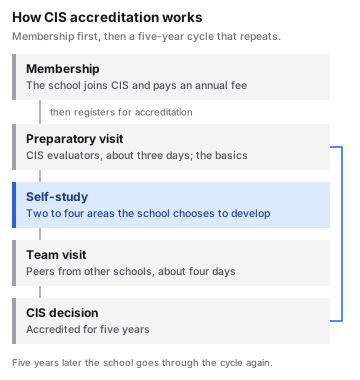
Preparatory visit. Evaluators from CIS spend about three days at the school. They check that the basics are in place (a clear purpose, working policies and practices, and a plan) and agree with the school on future improvement plans.
Self-study. The school picks two to four areas to develop, drawn from its own priorities and CIS's standards, and works on them. At the end it sends CIS evidence of what has changed.
Team visit. A small team of trained volunteers, teachers and leaders from other international schools, spends about four days at the school. They walk through lessons, talk with staff and check the evidence.
Decision. CIS then decides whether to accredit the school. Five years later, the school goes through the process again.
Every school has to meet the same basics, but the improvement work is the school's own choice. This is how CIS can accredit schools teaching very different curricula.
Many schools combine CIS with WASC or the IB's own reviews, so staff go through one joint process rather than two or three.
Who recognises CIS accreditation?
Some governments build it into their own rules. Indonesia's national school accreditation agency recognises it, and Japan accepts students from CIS-accredited schools for entry to its universities.
The main associations of British international schools, COBIS, BSME and FOBISIA, accept it as a mark of quality too.
CIS-accredited schools by city
| School | Curriculum | Fees a year (USD) |
|---|---|---|
| Hong Kong (2) | ||
| Chinese International School | IB | 28,900–45,800 |
| Hong Kong Academy | IB | 19,200–39,000 |
| Jakarta (3) | ||
| Australian Independent School Indonesia | Australian · IB | 5,620–24,700 |
| British School Jakarta | British · IB | 8,860–31,400 |
| Jakarta Intercultural School | American · IB | 17,000–35,400 |
| Kuala Lumpur (4) | ||
| HELP International School | British | 6,180–16,200 |
| IGB International School | IB | 12,500–29,000 |
| The Alice Smith School | British | 13,200–30,000 |
| The International School of Kuala Lumpur | American · IB | 17,200–35,200 |
| Singapore (7) | ||
| Anglo-Chinese School (International) | British · IB | 24,700–34,100 |
| Australian International School | Australian · IB | 24,600–43,200 |
| Dulwich College (Singapore) | British · IB | 29,400–46,400 |
| St Joseph’s Institution International | IB · British | 31,200–40,100 |
| Stamford American International School | American · IB | 24,100–43,900 |
| UWCSEA Dover Campus | IB · British | 30,600–39,100 |
| UWCSEA East Campus | IB · British | 30,600–39,100 |
Compare CIS schools
Verified fees, curricula and admissions for every CIS school we list.
FAQ
What does CIS accredited mean?
A team of educators from other schools has evaluated the school against the Council of International Schools' standards, and CIS has accredited it. The school goes through the process again every five years.
What is the difference between a CIS member school and a CIS-accredited school?
A member school has joined CIS and pays an annual fee for its training, events and contacts. An accredited school has also been evaluated and met CIS's standards.
Is there a list of CIS-accredited schools?
CIS's online membership directory shows every member school and whether it is accredited. The list above shows the CIS-accredited schools on Prospectus, by city.
How long does CIS accreditation last?
Five years. The school then goes through the process again.
What standards does CIS use?
Its current framework has 18 standards across three areas: the school's purpose and leadership, teaching and learning, and pupils' wellbeing. Every school must also have the basics in place: a clear purpose, working policies and practices, and a plan.
Is CIS the same as WASC?
No. Both accredit international schools through peer review, but WASC is an American accreditor that also works abroad, while CIS is international by design. Many schools hold both through one joint process.
Is CIS the same as the European Council of International Schools?
CIS grew out of it. The two separated in 2003, and the European Council, now the Educational Collaborative for International Schools, focuses on teacher training.
What does CIS stand for?
The Council of International Schools, a not-for-profit based in the Netherlands.
Sources
- About CIS
- CIS International Accreditation cycle
- The new CIS International Accreditation framework and process
- Recognition of CIS International Accreditation by country
- How CIS works with the IB and partner agencies
- CIS school membership
- CIS membership for colleges and universities
- International Taskforce on Child Protection
- CIS membership directory
- ECIS, the Educational Collaborative for International Schools