Qatar's Ministry of Education and Higher Education has issued a rulebook for its private schools and kindergartens that lists what counts as a breach and the penalty for each, from a written warning up to the loss of a school's licence.
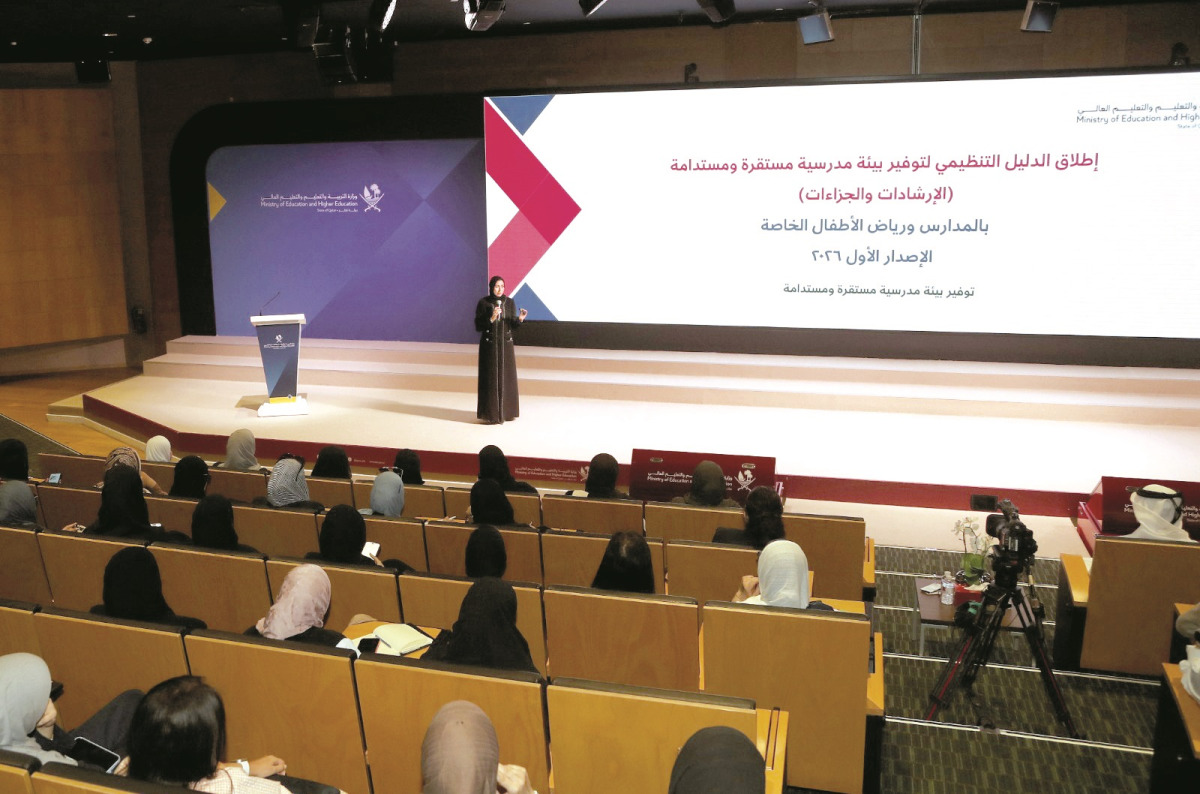
The guide, the first edition of a document the ministry calls a regulatory guide for a stable and sustainable school environment, was launched at the ministry's headquarters in Doha on 9 November 2026 before school owners and leaders. It applies to all private schools and kindergartens, including the international schools that teach British, American, IB and other curricula.
Its ten chapters cover:
- administration and staffing
- fees and finances
- pupil registration
- academic affairs
- security, health and safety
- pupil behaviour and counselling
- values and national identity
- mandatory evaluation and accreditation
- legal compliance and serious violations
The penalties
Penalties rise with the nature, severity and impact of a breach. In order, they are:
- a written warning and an order to fix the problem at once or by a deadline
- the loss of some or all of the material or in-kind benefits the state gives the school
- a deduction from the school's bank guarantee
- in serious cases, ministry control of the school's finances and management until the end of the school year at most, with the licence holder removed and a qualified person put in charge
- cancellation of the licence
The ministry will follow the effect of any measure for at least one academic year. A school that repeats a breach in the same year is treated as a repeat offender. The penalties rest on Law No. 23 of 2015 on private schools, chiefly its Article 37, and the guide does not replace that law.
Officials' comments
Omar Abdulaziz Al Namaa, the assistant undersecretary for private education, said the guide drew on the breaches the ministry had recorded over the past eight to nine years. He said it was "a practical reference aimed at reducing violations" and asked schools to use it in their daily work.
Dr Rania Mohammed, who directs the ministry's private schools and kindergartens department and is acting head of private school licensing, said: "The aim is not to impose penalties." She said the ministry wanted schools to comply of their own accord, and that the guide also sets out how schools deal with parents and calls for stable school leadership, so that commercial or management disputes do not interrupt lessons.
At the launch the ministry recognised 240 of Qatar's 354 private schools with its White Flag award, given to schools with no recorded violations.
The rulebook follows other changes to private schooling in Qatar this term, including the extension of education vouchers to standalone kindergartens and new schools and land for four new private schools.
Sources: 3 pages
More in Policy
More- 18 November
Abu Dhabi to train up to 250 Emiratis a year for inclusion roles in private schools
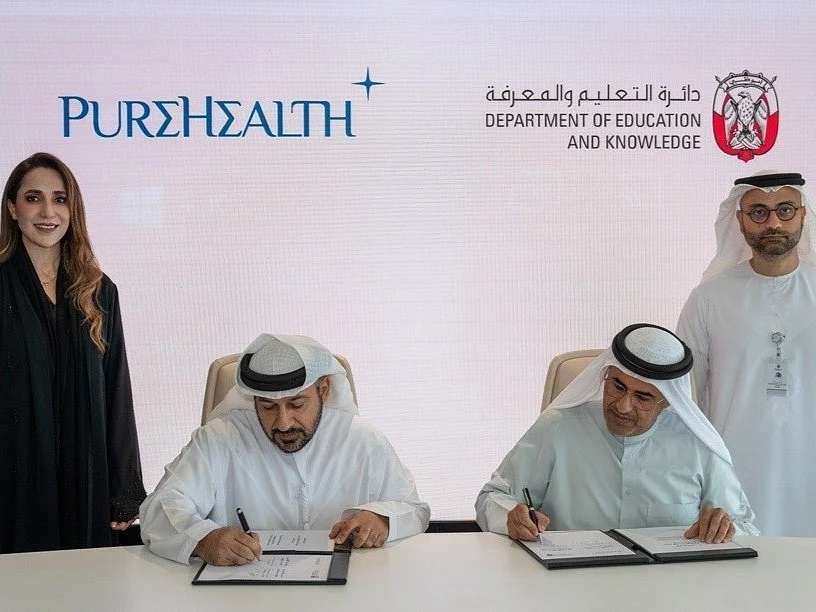
ADEK and PureHealth will run a six-month course placing Emiratis as inclusion assistants and moving others up to inclusion teacher posts.
Abu Dhabi
Abu Dhabi · 18 November
- 17 November
Dubai schools must report pupils absent five days in a row and keep staff off personal phones
Further detail from KHDA's new safeguarding framework treats unexplained absence as a warning sign and limits how staff may contact pupils.
Dubai
Dubai · 17 November
- 14 November
Dubai private schools must report every bullying case to KHDA under new safeguarding rules
Each school needs a board-level safeguarding governor within nine months, and a pupil's record will follow them if they move school in Dubai.
Dubai
Dubai · 14 November
- 14 November
Hong Kong bill would make international school teachers renew a licence every three years
The Education (Amendment) Bill 2026, gazetted on 13 November, adds practising certificates and a lifetime teaching ban for national security convictions.
Hong Kong
Hong Kong · 14 November