Policy · Dubai
Dubai Arabic teachers need KHDA approval to teach Islamic Education to under-sixes
A KHDA guide sets who may teach the subject to Muslim children aged four to six, in which language, and what schools must keep for inspectors.
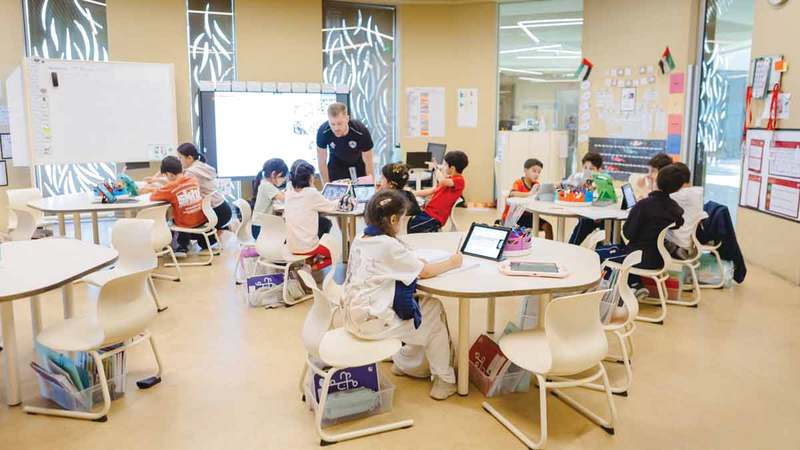
An Arabic teacher in a Dubai private school, kindergarten or early childhood centre may not teach Islamic Education to Muslim children aged four to six unless the Knowledge and Human Development Authority (KHDA) has approved them for that subject, under KHDA's guide to Islamic Education in early childhood reported on 1 November 2026.
The approval comes through the teacher's appointment notice, the permit KHDA issues for each teaching post. It must name Islamic Education explicitly, whatever the teacher's specialism or earlier approvals. Where one teacher covers both subjects, the notice must approve both. The extra classes may not reduce the teacher's Arabic lessons and must fit the workload limits in KHDA's Arabic policy.
Who can teach
- Minimum qualification: Level 3 in early childhood centres, Level 6 in schools teaching the same age group.
- Accepted fields: Islamic Education, early childhood education, Arabic or a closely related subject.
- Teachers must be Muslim and know the subject to the standard of the Ministry of Education curriculum.
- Early years experience can come from training or supervised work under a qualified teacher.
- A school that cannot find a qualifying teacher needs KHDA approval for any other arrangement.
Language
Arab Muslim children holding passports from Arab countries are taught the subject in Arabic. Other Muslim children are taught in the school's approved language of instruction, though their parents can ask for Arabic and the school decides. A teacher taking both groups at once must be highly proficient in Arabic and competent in the other language.
The rules also cover children of determination, with adjustments to how they are taught.
Records
At the start of each year, schools must tell KHDA and parents how they deliver the subject and how children are grouped. They must keep teachers' qualifications and appointment notices, lesson plans, assessment records and evidence of each child's progress. KHDA will use these in inspections, on its own or with the Ministry of Education.
That matters more this year. KHDA inspectors are back in Dubai's private schools this term, visiting at 24 hours' notice. Prospectus profiles 16 of the city's international schools.
Sources: 3 pages
- «هيئة المعرفة»: لا تدريس لـ «الإسلامية» بواسطة معلّم «العربية» دون إخطار تعيين, Emarat Al Youm
- Dubai bans Arabic teachers from teaching Islamic Education without separate KHDA approval, Gulf News
- Dubai requires KHDA approval for teachers delivering Islamic education to children aged four to six, Emirates 24|7
More in Policy
More- 2 November
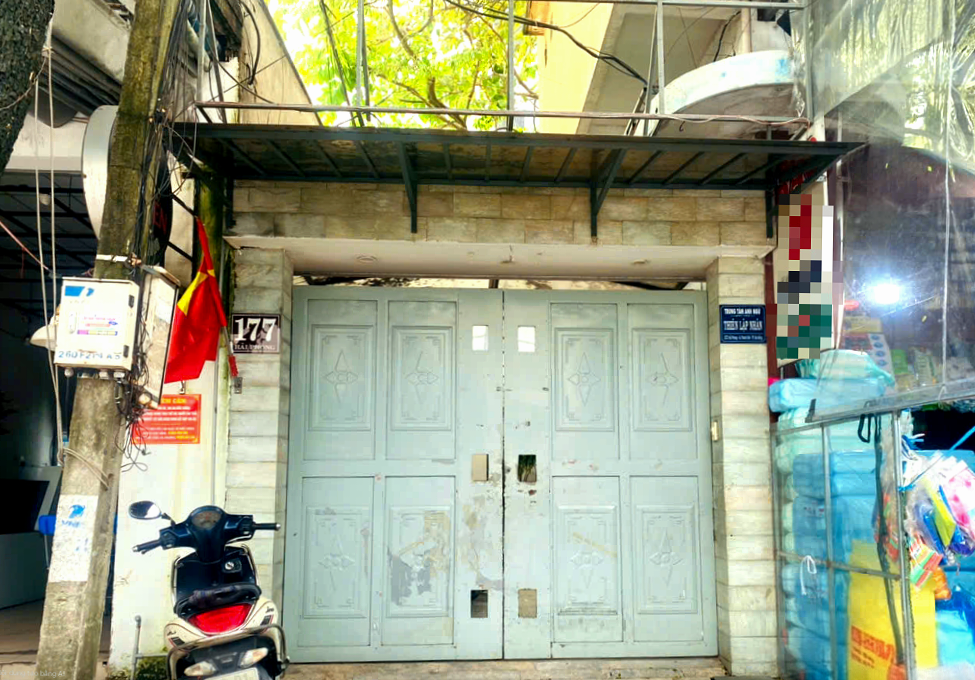
Da Nang police say English centre posed as American school for 200 pupils
The centre was licensed only to teach children English. Its director has been charged with fraud and has confessed, police say.
Da Nang
Da Nang · 2 November
- 2 November
PowerSchool hack exposed 15,666 records at three Seoul international schools
The three schools still use the hacked records system, and Seoul's education office has answered with letters and a self-checklist.
Seoul
Seoul · 2 November
- 1 November
Unlicensed international school in Songdo keeps teaching past its eviction deadline
The school owes about 400 million won in rent, and Korea's education ministry admits it cannot physically stop schools like it from holding classes.
Incheon
Incheon · 1 November

- 1 November
Thailand's commerce ministry backs international schools' push for 120,000 pupils
Trade officials will market Thai international schools abroad, with South Korea, Japan and Myanmar as the first targets for new families.
Bangkok
Bangkok · 1 November