International schools in Singapore at a glance
Most expatriate families moving to Singapore shortlist four schools: United World College of South East Asia (UWCSEA), Tanglin Trust School, Singapore American School (SAS) and Dulwich College Singapore.
Fees at the four range from about $27,300 in the early years to more than $46,800 in the senior years. One-off joining fees and annual levies add several thousand dollars more.
Singapore has around 70 international schools, but government schools are largely closed to foreign children, so almost every expatriate family pays private fees.
The top schools are full in many year groups, and waiting lists of a year or more are common at popular entry points.
| School | Tuition |
|---|---|
| The main four | |
| UWCSEA · IB · Dover and East (Tampines) campuses | c.32,800–41,400* |
| Tanglin Trust School · British, IGCSE, A-Level or IB Diploma · Portsdown Road | 27,300–48,400 |
| Singapore American School · American, AP · Woodlands | 28,100–49,200 |
| Dulwich College Singapore · British, IGCSE, IB Diploma · Bukit Batok | 28,100–42,900+ |
| Other international options | |
| Australian International School · Australian, IB · Lorong Chuan | 7,800–39,000† |
| German European School Singapore · German section and IB · Dairy Farm | 22,600–39,000 |
| Canadian International School · IB, bilingual streams · Lakeside, Tanjong Katong | 15,600–40,600 |
| XCL World Academy · IB · Yishun | 22,600–40,600 |
| Dover Court International School · British, IGCSE, IB Diploma · Dover | 22,600–35,900 |
| Overseas Family School · IB, rolling admissions · Pasir Ris | 13,300–35,100 |
International schools in Singapore. Annual tuition, US$, 2025–26. *Includes first-year one-off fees †Lower figure is for infant care. Tuition ranges from the youngest to the oldest year group. Most schools also charge enrolment fees of $1,550–7,800 and annual levies of $3,100–4,700. Expect 2026–27 and 2027–28 fees to be higher. Converted at S$1.28 = US$1
Where the main schools sit in Singapore
The leading schools are spread around the island. Tanglin and UWCSEA's Dover campus are in the west, close to Holland Village and Bukit Timah; Dulwich is further west in Bukit Batok; SAS is in Woodlands, in the north; and UWCSEA East is in Tampines.
Singapore is compact and its roads move well by regional standards. Most children take the school bus, and most parents commute by MRT, so the school run matters more than the office commute when choosing a home.
Top four schools
1UWCSEA Dover
2UWCSEA East
3Tanglin Trust School
4Singapore American School
5Dulwich College Singapore
Business districts
6Raffles Place / Marina Bay
7one-north
Malls
8ION Orchard
9Marina Bay Sands
10VivoCity
Hospitals
11Mount Elizabeth Hospital
12Gleneagles Hospital
13KK Women's and Children's Hospital
14Raffles Hospital
Shaded areas are family neighbourhoods: Holland Village · Bukit Timah · Tanglin / Orchard · River Valley · East Coast · Woodlands · Serangoon.
The four most popular international schools in Singapore
United World College of South East Asia
UWCSEA is the largest of the four, with about 5,500 pupils across two campuses, Dover in the west and East in Tampines. It teaches the IB throughout, and takes boarders from Grade 8.
Its admissions are selective and look beyond academic results, and the school keeps a wide mix of nationalities. Demand is strong.
Tanglin Trust School
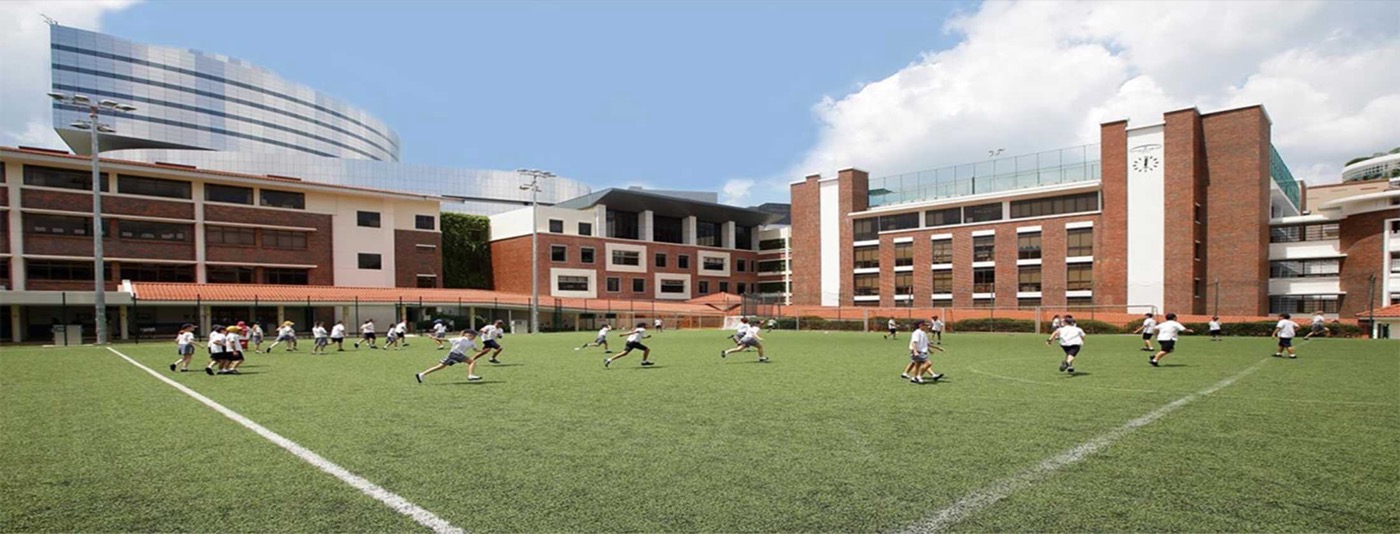
Tanglin is the established British school, with about 2,800 pupils on one campus off Portsdown Road. It teaches the English curriculum to IGCSE, then offers either A-Levels or the IB Diploma in the sixth form.
Waiting lists can be long, particularly at Nursery, Reception and Year 7.
Singapore American School
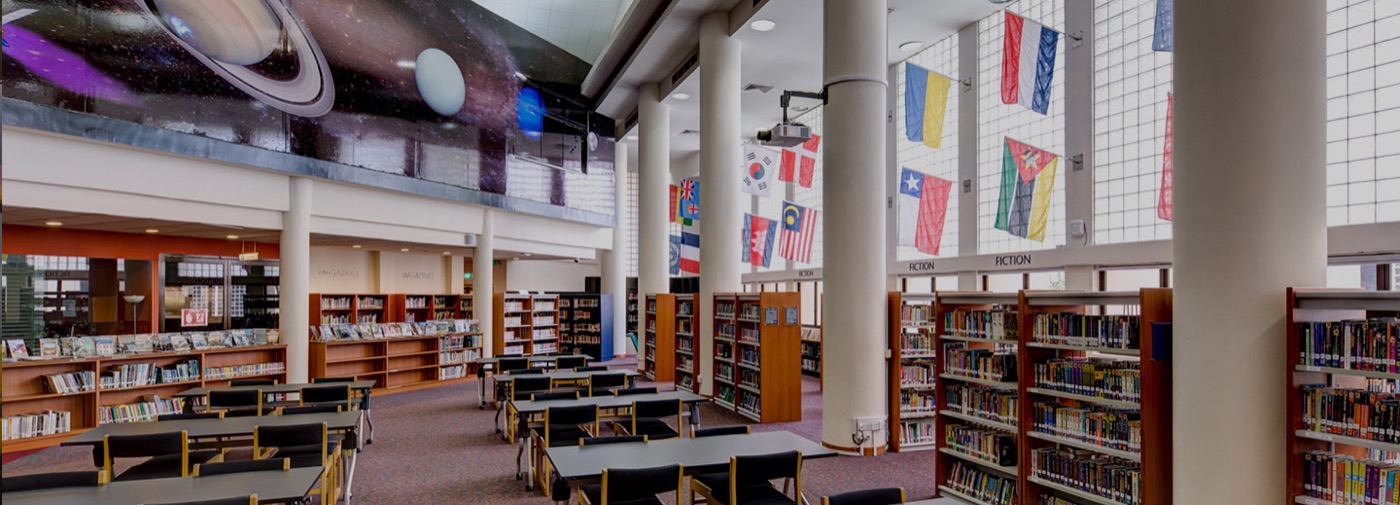
SAS has about 4,000 pupils from more than 60 countries on a 36-acre campus in Woodlands. It follows an American curriculum with Advanced Placement.
Admission works through priority lanes, with US passport holders first. For 2026–27 it had waiting pools in Grades 7 and 8, limited space in most other grades, and had closed Grade 12. Families usually live in the north or take long bus rides.
Dulwich College Singapore
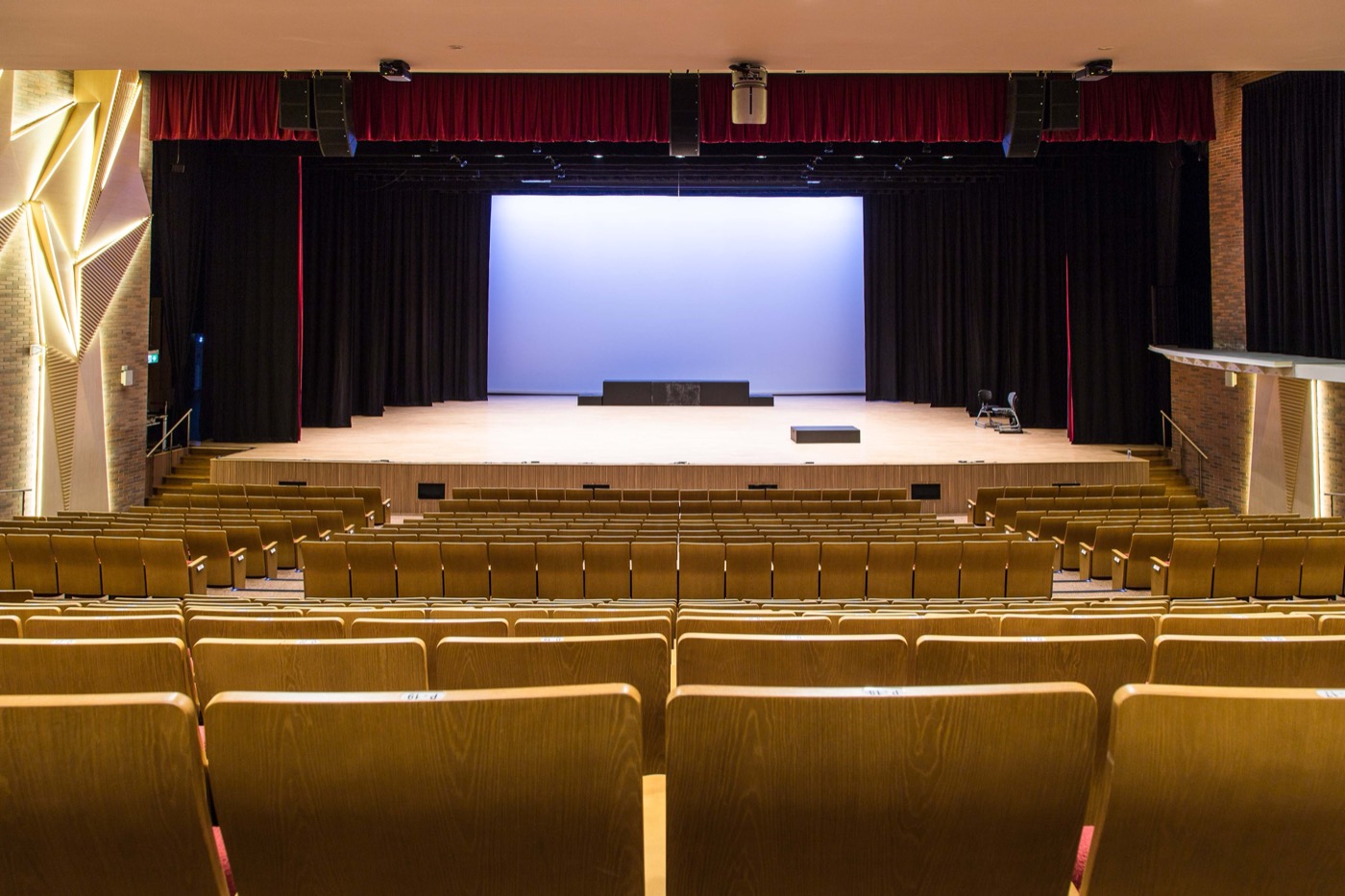
Dulwich, part of the London school's international group, has about 2,900 pupils in Bukit Batok. It teaches the English curriculum to IGCSE, then the IB Diploma or the career-related IBCP.
Its fees are slightly below Tanglin's at the top end, and its western location suits families in Bukit Timah, Holland or the west.
Other international options
The Australian International School, Stamford American and Brighton College share a cluster at Lorong Chuan. GESS, Canadian International School, Dover Court and XCL World Academy offer the IB or British routes at somewhat lower fees.
Overseas Family School in Pasir Ris admits all year round without an entrance exam, which suits families arriving mid-year.
New British-brand schools have added capacity: Wellington College opened in Bukit Timah in 2025, The Perse School added secondary in 2025, and Wycombe Abbey is due in 2028. Newer schools are usually easier to get into.
Local options
Singapore's government schools take foreign children only where places are left after citizens and permanent residents, through an entrance exam, and fees for foreigners are much higher. In practice few expatriate families use them.
ACS International, Hwa Chong International and SJI International are privately funded schools linked to well-known local schools. At least half their pupils must be Singaporean, so the peer group is largely local.
Singapore's schools in other languages
The German European School has a German-language section, and the International French School teaches the French curriculum. Japanese, Korean, Indian and Swiss families also have schools of their own.
The pupil mix in Singapore's international schools
Singapore's international schools teach about 60,000 pupils, and enrolment has grown faster than the global average. Much of the recent growth has come from Asian families, especially from China.
Asian families now make up about a third of the expatriate population. The top four remain among the most international schools in the region, with dozens of nationalities each.
Getting a place at a Singapore international school
Most schools admit on a rolling basis, and places open as families leave; expatriates typically stay three or four years. But popular entry points at the top schools fill months or years ahead.
- Apply to three or four schools. Include at least one newer school, which is more likely to have space.
- Apply 12–18 months ahead. Waiting lists at the top schools can reach two years at popular entry points.
- Have the right pass. Schools usually want to see a Dependant's Pass, or evidence one is coming, before confirming a place.
- Budget for joining fees. Non-refundable application fees of $390–1,150 apply at most schools, plus enrolment fees on acceptance.
- Watch for mid-year places. Places open in January and during the year at many schools.
Singapore neighbourhoods and rents for families
Families in the west cluster around Holland Village, Bukit Timah and Tanglin, close to Tanglin and UWCSEA Dover. East Coast suits UWCSEA East and offers more space for the money. SAS families often live in Woodlands, Seletar Hills or Serangoon.
| Area | Rent |
|---|---|
| Tanglin / Orchard / River Valley · Central and expensive; Tanglin Trust | 6,250–11,700 |
| Holland Village / Bukit Timah · Green, popular with families; Tanglin, UWCSEA Dover, Dulwich | 4,300–7,000 |
| East Coast / Katong · Beach park, more space; UWCSEA East, CIS | 4,300–7,000 |
| Woodlands / Serangoon · Suburban, cheaper; SAS, Lorong Chuan schools | 2,950–4,300 |
Family neighbourhoods. Typical monthly rent for a three-bedroom condo, US$. Landed houses typically cost $6,250–15,600 or more a month
Leases are usually for two years, with a one-month deposit per year of the lease. Owning a car is expensive: the certificate of entitlement alone costs around $78,000.
Visas, hospitals and transport in Singapore
Visas come first. Children join a parent's Employment Pass or S Pass on a Dependant's Pass, which requires the parent to earn at least $4,700 a month.
The school year is from August to June at most international schools.
Hospitals. Mount Elizabeth, Gleneagles and Raffles Hospital are the main private hospitals; KK Women's and Children's Hospital is the public specialist for children. Public hospitals charge foreigners full rates, so private insurance is essential.
Getting around. Many families manage without a car. The MRT, buses and taxis are reliable, and school buses cover most routes, though they cost $2,050–5,300 a year.
Also in Singapore
- Anglo-Chinese School (International) · Holland Village
- Australian International School · Serangoon
- Canadian International School · Jurong West (Lakeside)
- DPS International School Kovan · Kovan
- Dover Court International School · Dover
- Dulwich College (Singapore) · Bukit Batok
- Global Indian International School (Singapore) · Punggol
- Hwa Chong International School · Bukit Timah
- Nexus International School (Singapore) · Aljunied
- North London Collegiate School (Singapore) · Depot Road
- One World International School Nanyang · Jurong West
- Singapore American School · Woodlands
- St Joseph’s Institution International · Thomson
- Stamford American International School · Woodleigh · Lorong Chuan
- Tanglin Trust School · Portsdown
- UWCSEA Dover Campus · Dover
- UWCSEA East Campus · Tampines
Sources: 10 pages
- Prospectus on-the-ground research in Singapore, including conversations with parents, admissions teams and school leaders
- Singapore American School: Space availability
- International Schools Guide: Best international schools in Singapore
- International Schools Database: International schools in Singapore
- British Schools Asia: British schools in Singapore
- Relocate Magazine: Focus on Singapore; Competition for school places intensifies
- Singapore Employment Agency: Cost of living for expat families, 2026
- school fee schedules
- Singapore Employment Agency, 2026
- Prospectus research
More in Choosing a school
More- 19 November
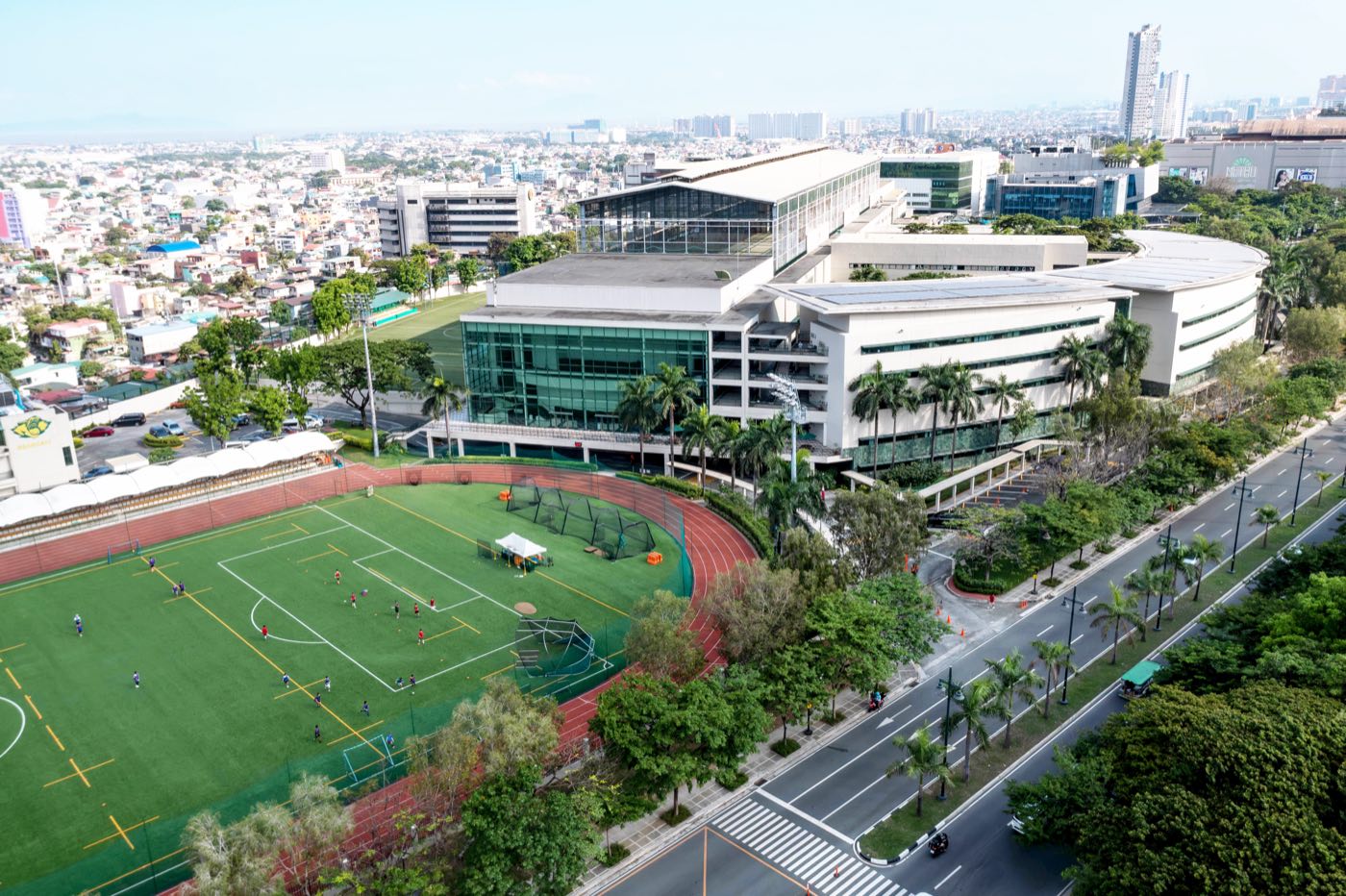
Choosing an international school and a neighbourhood in Manila for 2027
Most families shortlist International School Manila, The British School Manila, Brent and Nord Anglia, and live near the school because a school run can take 90 minutes each way.
Manila
Manila · 19 November
- 18 November
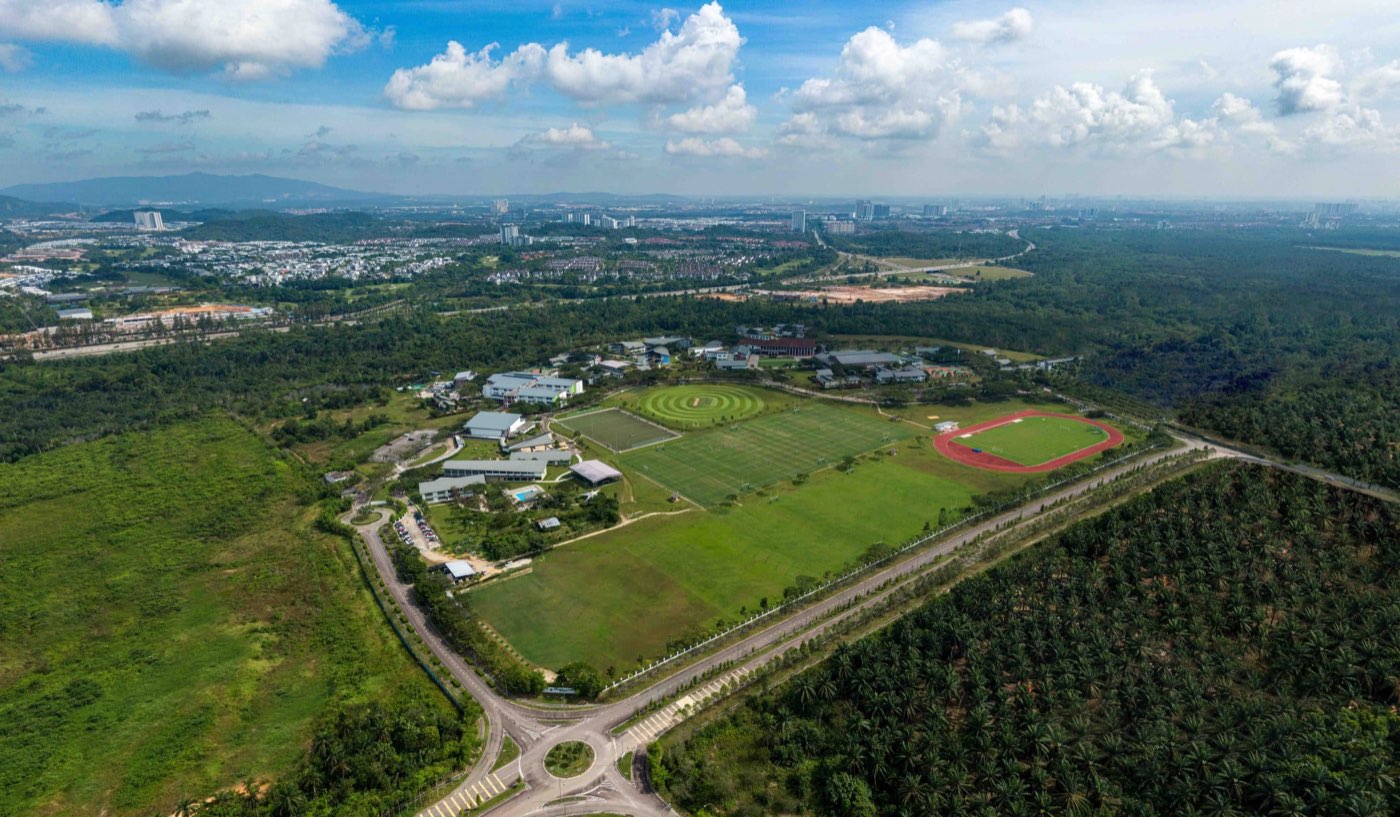
Johor Bahru's international schools, homes and the commute to Singapore
Which international schools families choose, what they cost, where people live, and what the new rail link to Singapore changes
Johor Bahru
Johor Bahru · 18 November
- 17 November
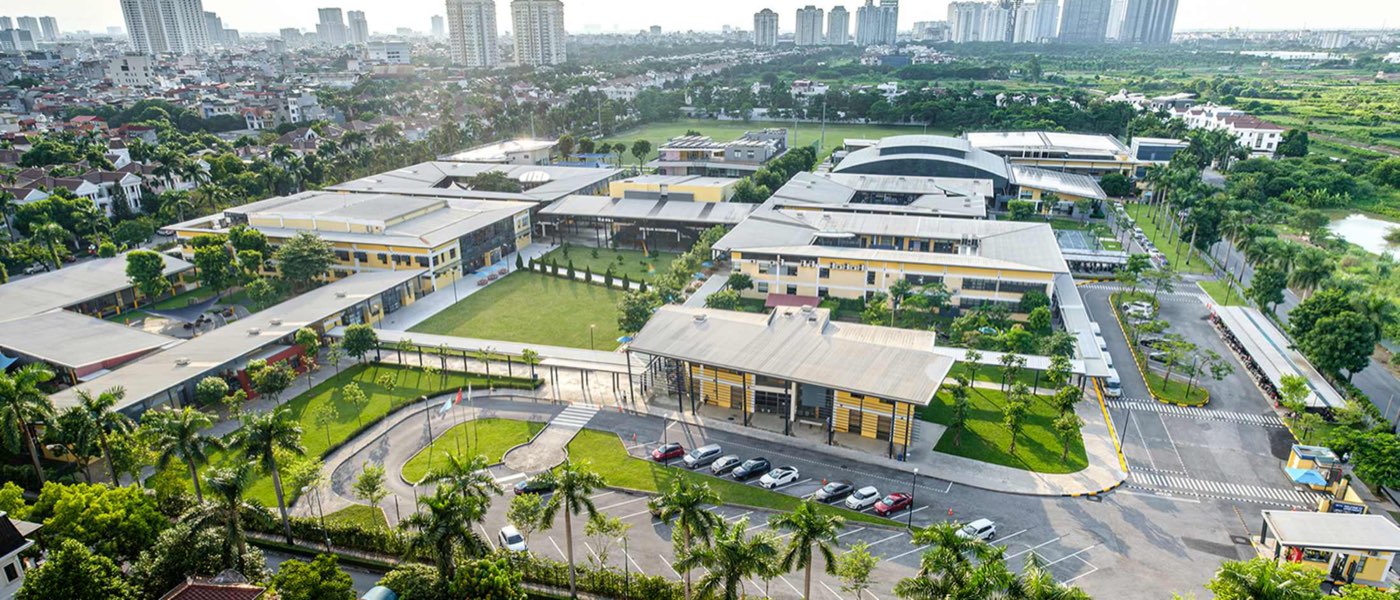
A 2027 guide to Hanoi's international schools and family neighbourhoods
Which international schools families choose, what they cost, where people live, and what to know about Hanoi's winter air
Hanoi
Hanoi · 17 November
- 16 November
Ho Chi Minh City's international schools, fees and districts for families
Which international schools families choose, what they cost, where people live, and how to get a place for August 2027
Ho Chi Minh City
Ho Chi Minh City · 16 November