International schools in Hong Kong at a glance
Hong Kong has 53 international schools with about 44,700 pupils. They are around 92 per cent full, so places are easier to find than a decade ago, but the best-known schools are still competitive.
Annual tuition ranges from about $18,500 at an English Schools Foundation (ESF) primary to more than $44,700 at the top of the most expensive schools.
Tuition is only part of the bill. Most private schools also charge a capital levy or sell debentures, which can add tens of thousands of dollars a year or require a large upfront sum.
Where you live matters too. ESF primaries admit by catchment area, and the city's geography makes some school runs long.
Debentures, levies and nomination rights in Hong Kong
Hong Kong schools raise money for buildings in three main ways, and the differences matter more than the headline fees.
Capital levies are compulsory charges for families without a debenture. Some are annual, typically $3,050–7,650 a year; others are a one-off payment on entry.
Debentures are large upfront payments, from $15,300 to several million dollars. Some are refundable when your child leaves; corporate debentures belong to an employer and are passed between staff. Holding one usually removes the levy and can give priority on a waiting list.
Nomination rights, sold by ESF and a few other schools, cost $51,000–63,800 and buy priority for an interview only.
| School | Tuition | Capital charge |
|---|---|---|
| Established private schools | ||
| Hong Kong International School · American, AP · Tai Tam, Repulse Bay | 29,600–34,800 | 3,150 a year |
| Chinese International School · Bilingual English–Mandarin, IB · Braemar Hill | 28,800–45,800 | 3,850 a year |
| German Swiss International School · English and German streams, IB · The Peak | 26,000–32,800 | 800 debenture |
| Canadian International School · Canadian, IB · Aberdeen | 18,200–33,400 | 5,500 a year |
| Kellett School · British, A-Level · Pok Fu Lam, Kowloon Bay | 27,800–35,600 | 5,100 a year |
| French International School · French and international streams, IB · Jardine's Lookout | 18,900–28,100 | 120 debenture* |
| English Schools Foundation | ||
| ESF primary schools · IB Primary Years · nine primaries, by catchment | 18,500 | one-off levy |
| ESF secondary schools · IGCSE, IB Diploma · five secondaries | 22,200–24,000 | one-off levy |
| Newer British-brand schools | ||
| Harrow International School · British, day and boarding · Tuen Mun | 22,500–30,500† | 7,650 a year |
| Shrewsbury International School · British · Tseung Kwan O | 14,900–30,000 | 6,400 a year |
| Malvern College · British, IB · Tai Po | 25,400–28,800 | 5,350 a year |
| Nord Anglia International School · British, IB · Lam Tin | 11,600–30,200 | 4,450 a year |
| Other international options | ||
| Hong Kong Academy · IB · Sai Kung | 15,200–35,000 | 4,100 a year |
| Australian International School · Australian, IB · Kowloon Tong | 19,500–23,000 | 1,550 one-off |
| Discovery Bay International School · British · Discovery Bay | 17,700–26,400 | 7,650 one-off |
International schools in Hong Kong. Annual tuition, US$, 2026–27, and main capital charge for new families. *Refundable †2025–26. Tuition ranges cover the youngest to the oldest year group. Capital charges are for families without a debenture or nomination right; ESF's one-off levy is $480–4,850 depending on entry year. Fees are subject to Education Bureau approval. Converted at HK$7.84 = US$1
Where the main schools sit in Hong Kong
Hong Kong Island's south side and the Peak hold many of the established schools: HKIS, GSIS, the Canadian school, Kellett and the ESF's South Island and West Island schools.
Kowloon Tong and Ho Man Tin, across the harbour, are a second cluster. Newer schools have opened further out, in Tseung Kwan O, Tai Po, Tuen Mun and Sai Kung, where land was available.
The MTR makes commuting to Central easy, but school runs often mean buses and tunnels. A cross-harbour or Southside trip can take 20 minutes or an hour at peak times.
Schools
1Hong Kong International School (Tai Tam)
2Chinese International School
3German Swiss International School
4Canadian International School
5Kellett School (Pok Fu Lam)
6French International School
7Island School (ESF)
8South Island School (ESF)
9West Island School (ESF)
10King George V School (ESF)
11Discovery College (ESF)
12Harrow International School
13Shrewsbury International School
14Malvern College
15Hong Kong Academy
16Australian International School
17Discovery Bay International School
Business districts
18Central
19Quarry Bay (Taikoo Place)
Malls
20IFC Mall
21Pacific Place
22Harbour City
23Cityplaza
Hospitals
24Hong Kong Sanatorium & Hospital
25Matilda International Hospital
26Gleneagles Hospital
27Adventist Hospital, Stubbs Road
Shaded areas are family neighbourhoods: Mid-Levels · Southside · Happy Valley · Pok Fu Lam · Kennedy Town · Discovery Bay · Sai Kung · Clearwater Bay · Kowloon Tong.
HKIS has two campuses, Repulse Bay (lower primary) and Tai Tam.
The established private schools
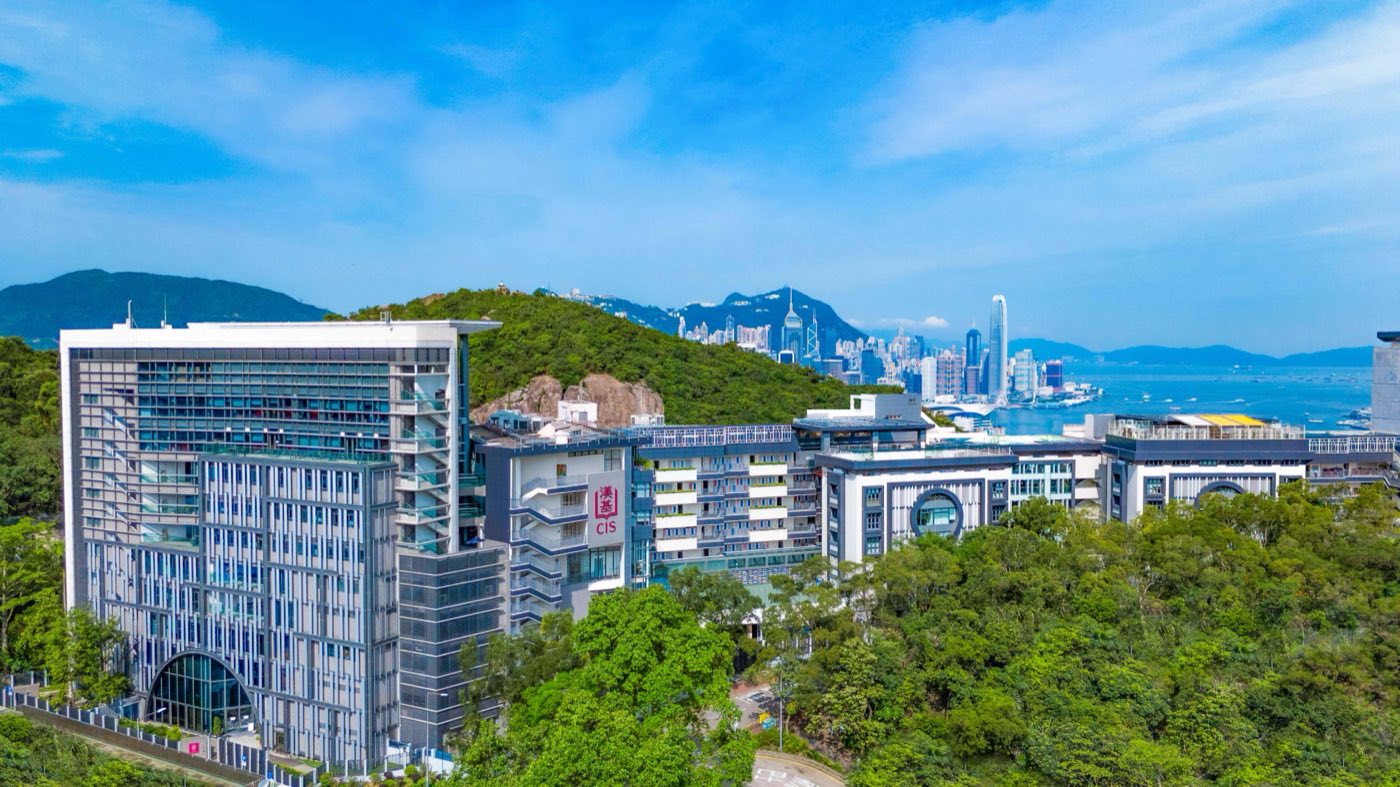
Six long-established schools are the usual starting point for international families who can pay full private fees.
Hong Kong International School (HKIS) is the American school, teaching to Advanced Placement rather than the IB. Chinese International School (CIS) teaches in English and Mandarin and is known for its academic results.
German Swiss International School (GSIS) has separate English and German streams on the Peak. Canadian International School (CDNIS) in Aberdeen follows a Canadian curriculum to the IB Diploma.
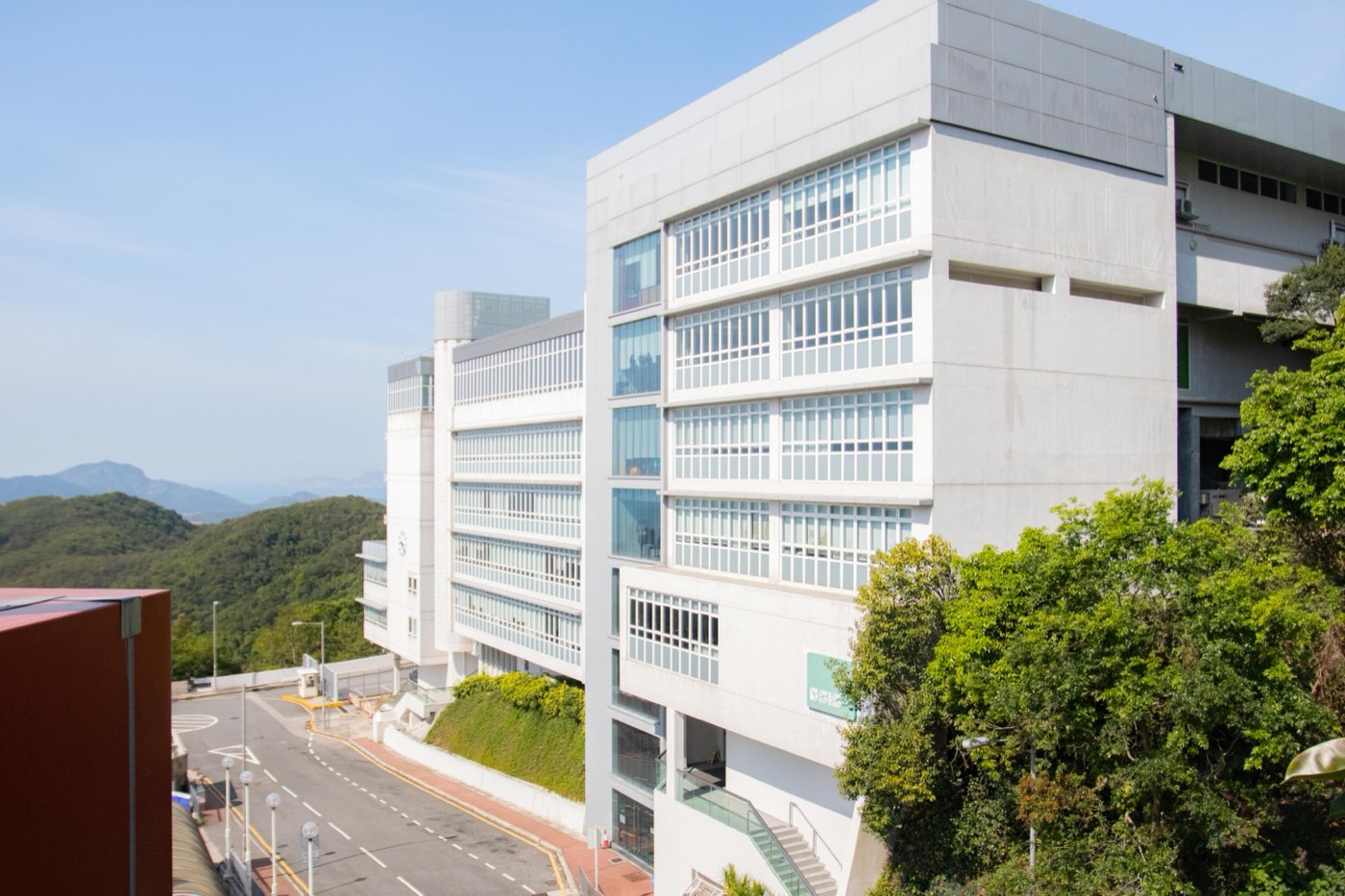
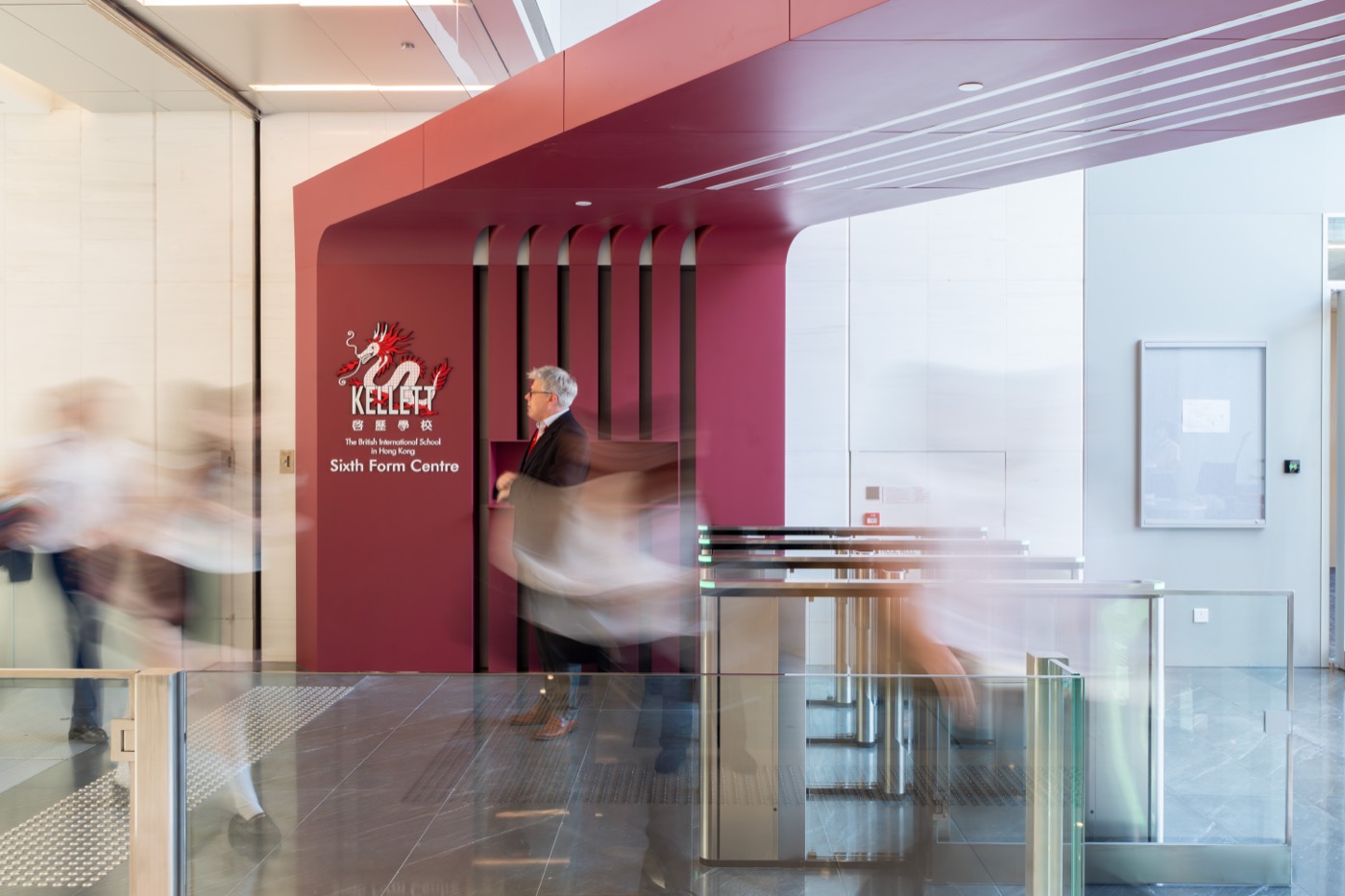
Kellett School is the established British option, teaching to A-Levels on two campuses. French International School (FIS) has a French stream and an English-language international stream.
The English Schools Foundation
The ESF is the largest provider, with 22 schools and kindergartens, and among the least expensive, at $18,500 for primary and $22,200–24,000 for secondary.
Its nine primaries admit mainly by catchment area, and children move on to a linked secondary. That makes the address you rent a large part of the admissions decision.
Two all-through schools, Discovery College on Lantau and Renaissance College in Ma On Shan, sit outside the catchment system. ESF also has kindergartens, and a K1 place is the most reliable route into an ESF primary.
Popular catchments such as Bradbury, Glenealy and Kennedy are the hardest to get into. Applications for August 2027 entry closed on 30 September 2026; later applicants go onto waiting lists.
Newer British-brand schools
Several English independent schools have opened Hong Kong branches since 2012: Harrow, which takes boarders, Shrewsbury, Malvern and Wycombe Abbey. Nord Anglia opened a sixth-form centre in 2026.
Most are in the New Territories or eastern Kowloon. They often have more space than the older schools, but the trip from Hong Kong Island is long, and some families move closer.
Hong Kong's schools in other languages and systems
FIS and GSIS cover the French and German systems. The Australian International School follows the Australian curriculum to the IB Diploma.
Japanese, Korean and Singaporean families have their own international schools, each with an English-language or international section open to other nationalities.
Nationalities at Hong Kong's international schools
The mix has shifted sharply. In 2016–17, 80 per cent of international-school pupils were non-local; by 2025–26 that had fallen to 66 per cent, as Western families left and more Hong Kong and mainland Chinese families applied.
That shift helps non-local applicants. Schools bound by government service agreements must keep non-local pupils at 50–98 per cent of enrolment, and the ESF at 70 per cent or more. Eight operators, including the ESF, fell short in 2025–26.
So a foreign-passport child can be the applicant a school needs.
Getting a place at a Hong Kong international school
Waiting lists have eased at mid-ranking schools, but the established private schools and popular ESF catchments remain competitive, especially at Year 1 and Year 7.
- ESF or private. ESF holds one central application window each September for entry the following August.
- Catchments. For an ESF primary, the catchment an address falls into decides the school, so families check it before signing a lease.
- Private-school timing. Most private schools admit on a rolling basis and keep waiting pools; many families apply 12–18 months ahead.
- Debentures. A corporate or family debenture can move a child up a waiting list; employers sometimes hold them.
- Assessments. Schools test and interview at most entry points, and Year 7 entry to Kellett and GSIS is selective.
Mid-year places do come up, especially at private schools that admit on a rolling basis.
Hong Kong neighbourhoods and rents for families
Families on Hong Kong Island cluster in Mid-Levels, the Southside and Happy Valley. Families wanting more space go to Discovery Bay, Sai Kung or Kowloon Tong.
| Area | Rent |
|---|---|
| Southside · Repulse Bay, Deep Water Bay; larger flats, beaches; HKIS | 7,000–12,800 |
| Mid-Levels · The main expat area; walk or escalator to Central; Island School | 6,400–10,200 |
| Happy Valley · Village feel around the racecourse; Bradbury catchment | 5,100–8,300 |
| Kowloon Tong · Low-rise, leafy, on the MTR; King George V, AISHK | 3,850–7,000 |
| Discovery Bay · Car-free, by ferry to Central; Discovery College, DBIS | 3,200–5,350 |
| Sai Kung · Village houses and country parks; Hong Kong Academy | 2,800–4,850 |
| Tuen Mun · Far west; mainly Harrow families | 1,900–3,200 |
Family neighbourhoods. Typical monthly rent for a three-bedroom flat, US$. Indicative ranges; individual flats vary widely
Leases are usually for two years, with the second year optional, plus a two-month deposit and an agent's fee of half a month's rent.
Moving to Hong Kong with children
Visas come first. Children join a parent's employment visa as dependants. The Top Talent Pass Scheme is an alternative route for high earners and graduates of leading universities.
Chinese is part of most timetables. Most international schools teach Mandarin as a second language; at bilingual schools such as CIS it is half the curriculum.
The school year is from August to June. Schools close when a typhoon signal 8 or a black rainstorm warning is in force, usually a few days a year.
Hospitals. The public system is open to residents, but most expatriate families use private hospitals with insurance. Hong Kong Sanatorium in Happy Valley, Matilda on the Peak, Gleneagles in Wong Chuk Hang and the Adventist on Stubbs Road are the main ones on the island.
Getting around. Many families manage without a car. The MTR, ferries and school buses cover most trips, and taxis are cheap.
Also in Hong Kong
- Australian International School Hong Kong · Kowloon Tong
- Canadian International School of Hong Kong · Aberdeen · Wong Chuk Hang
- Chinese International School · Braemar Hill
- French International School of Hong Kong · Happy Valley · Jardine's Lookout · Chai Wan · Tseung Kwan O
- German Swiss International School · The Peak · Pok Fu Lam
- Harrow International School Hong Kong · Tuen Mun
- Hong Kong Academy · Sai Kung
- Hong Kong International School · Tai Tam · Repulse Bay
- Island School · Mid-Levels
- Kellett School · Kowloon Bay · Pok Fu Lam
- King George V School · Ho Man Tin
- Malvern College Hong Kong · Pak Shek Kok
- Nord Anglia International School Hong Kong · Kwun Tong · Lam Tin · Sai Kung · Hung Hom
- Sha Tin College · Fo Tan
- South Island School · Deep Water Bay
- Stamford American School Hong Kong · Ho Man Tin · Tai Kok Tsui
- West Island School · Pok Fu Lam
Sources: 12 pages
- Prospectus on-the-ground research in Hong Kong, including conversations with parents, admissions teams and school leaders
- Hong Kong government: International school places, October 2026; Education Bureau: International schools in Hong Kong; Study on the provision of international school places (2024)
- English Schools Foundation: Fee levels 2026/27; Renaissance College fees 2026/27; Primary and secondary admissions; Individual nomination rights
- The Star / South China Morning Post: Eight operators miss non-local student targets
- International Schools Guide: International schools in Hong Kong
- International Schools Database: International schools in Hong Kong
- Sassy Mama: Hong Kong international school fees
- Global Investments: Best areas near schools; International school waiting lists
- Canadian International School · English Schools Foundation
- school fee schedules
- Prospectus research
- Global Investments, June 2026
More in Choosing a school
More- 19 November
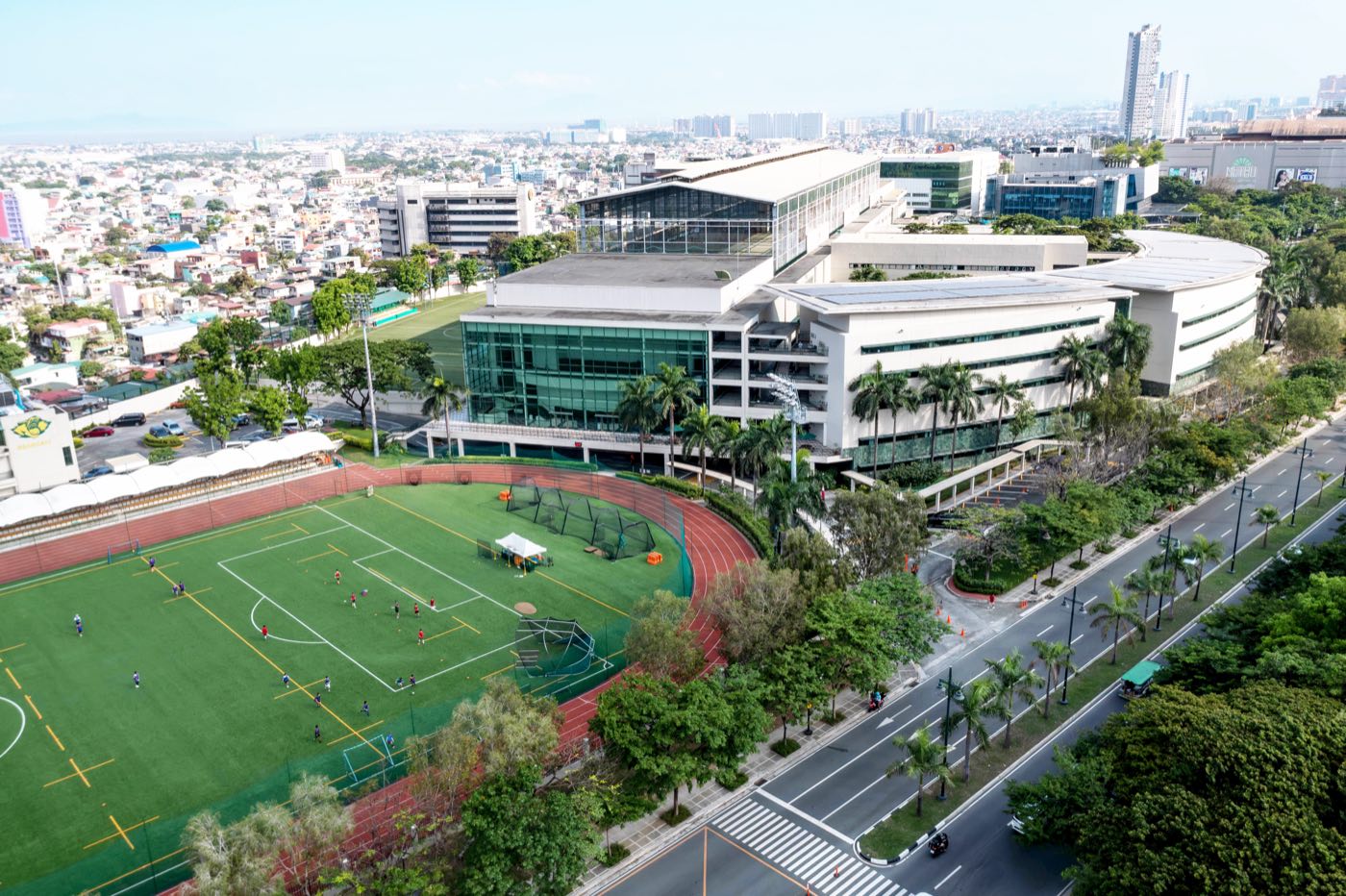
Choosing an international school and a neighbourhood in Manila for 2027
Most families shortlist International School Manila, The British School Manila, Brent and Nord Anglia, and live near the school because a school run can take 90 minutes each way.
Manila
Manila · 19 November
- 18 November
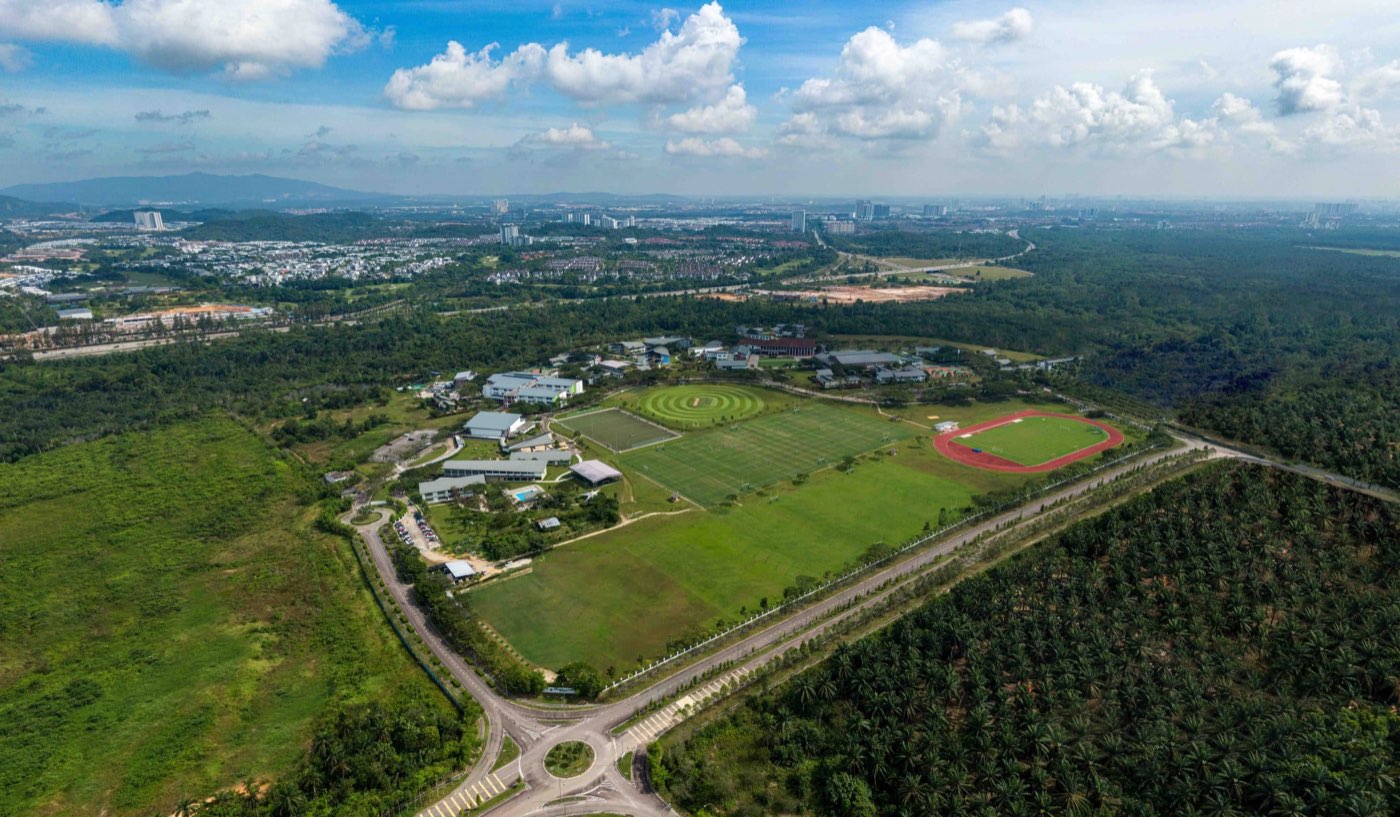
Johor Bahru's international schools, homes and the commute to Singapore
Which international schools families choose, what they cost, where people live, and what the new rail link to Singapore changes
Johor Bahru
Johor Bahru · 18 November
- 17 November
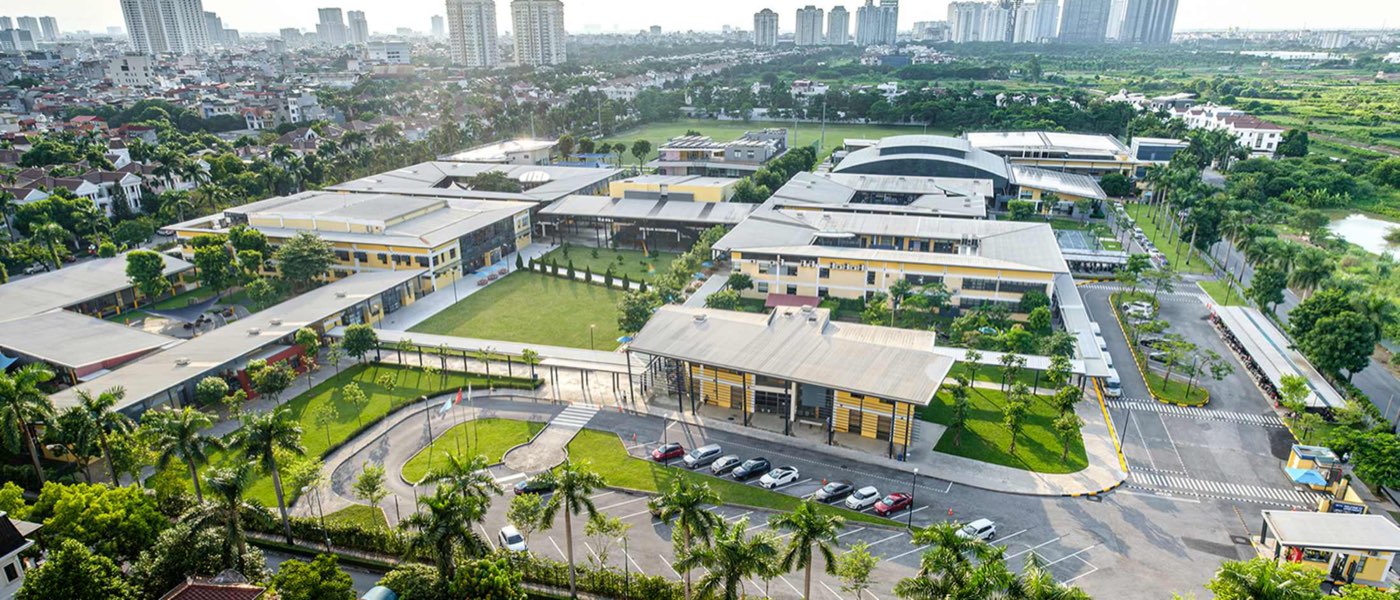
A 2027 guide to Hanoi's international schools and family neighbourhoods
Which international schools families choose, what they cost, where people live, and what to know about Hanoi's winter air
Hanoi
Hanoi · 17 November
- 16 November
Ho Chi Minh City's international schools, fees and districts for families
Which international schools families choose, what they cost, where people live, and how to get a place for August 2027
Ho Chi Minh City
Ho Chi Minh City · 16 November